Documenting What Remains of Deal Island's Black Communities
Documenting What Remains of Deal Island's Black Communities
By Rona Kobell
The graves are the first sign that the trouble runs deep.
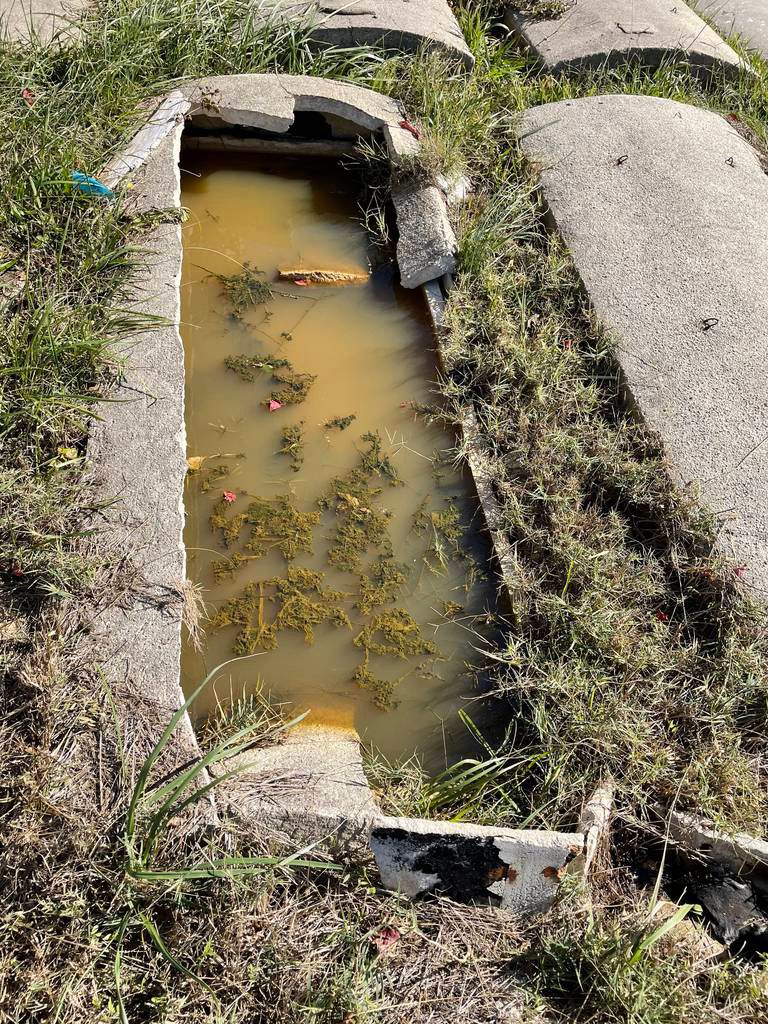
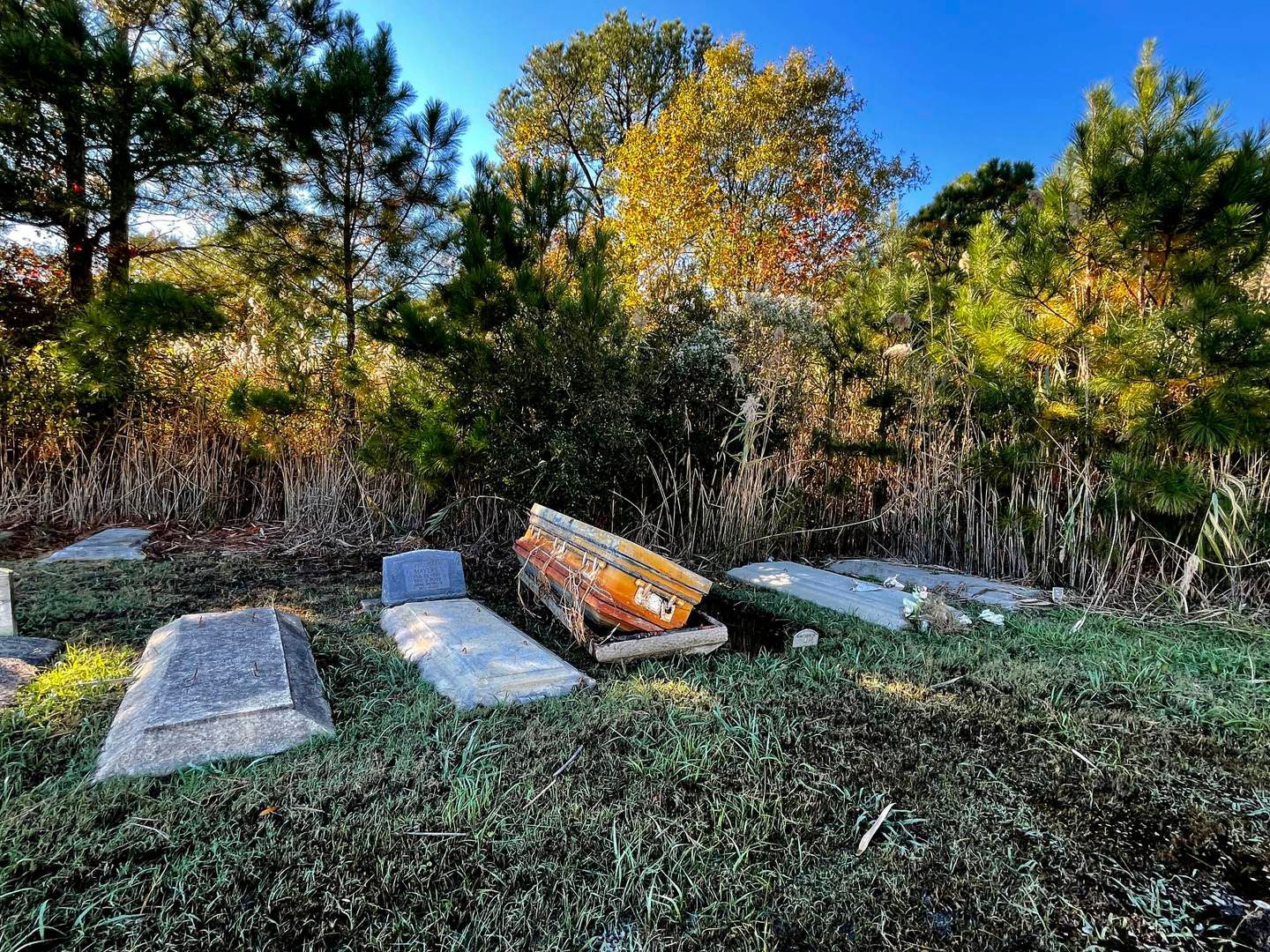
Small cemeteries dot the Deal Island peninsula, unkempt lawns in front of sinking churches. The headstones tell a story: the years they lived, the wars they fought, the children they raised. Broken vault tops expose the dead to the elements. It’s not unusual to see water inside the graves, and even minnows. Coffins have protruded from the ground, even floated away.
In the Black communities of Deal Island, Chance, Dames Quarter and Wenona, the past doesn’t stay buried. How could it when the families who remain here have roots dating back 200 years, when their surnames are the same as those of their enslavers? They are connected, white and Black, whether they want to be or not.
Those who see the graves on drives to the peninsula’s revered fishing piers or to its annual skipjack races often assume the churches and the cemeteries are abandoned. They may conclude that the Black communities here don’t care about their heritage. But what the tourists don’t see is the systemic racism that underlays land preservation and historic restoration, even in what is now considered the progressive state of Maryland.
Black communities often got marginal, mosquito-infested land. White lawmakers would not allow Black communities on the Eastern Shore to incorporate and establish their own zoning and planning boards. Federal relief after floods also goes through incorporated towns or counties. A sparsely populated, 19-mile peninsula with no government in the state’s poorest county could scarcely compete with Crisfield or Princess Anne for funds.
Maryland’s Program Open Space and its much-lauded sister programs buy large tracts of land to preserve and insist they are on high ground; Black communities have neither the height nor the acreage. When funding does become available, many historic trusts insist on a match; most Black communities can’t raise enough to qualify. Many also insist on the provenance of records to show ownership. Black people on the Eastern Shore were not allowed to read or write and often could not own property. How are they supposed to come up with these documents?
Climate change is exacerbating all of these concerns. Maryland scientists predict the state’s rate of sea level rise is between 2 and 4 feet over the next century. That will put much of Somerset County underwater. On top of that, the land is subsiding due to groundwater withdrawals from agriculture and industry. Marshes are moving, and saltwater is intruding into the aquifers and making large swaths of the land unsuitable for growing the current corn and soybean crops.
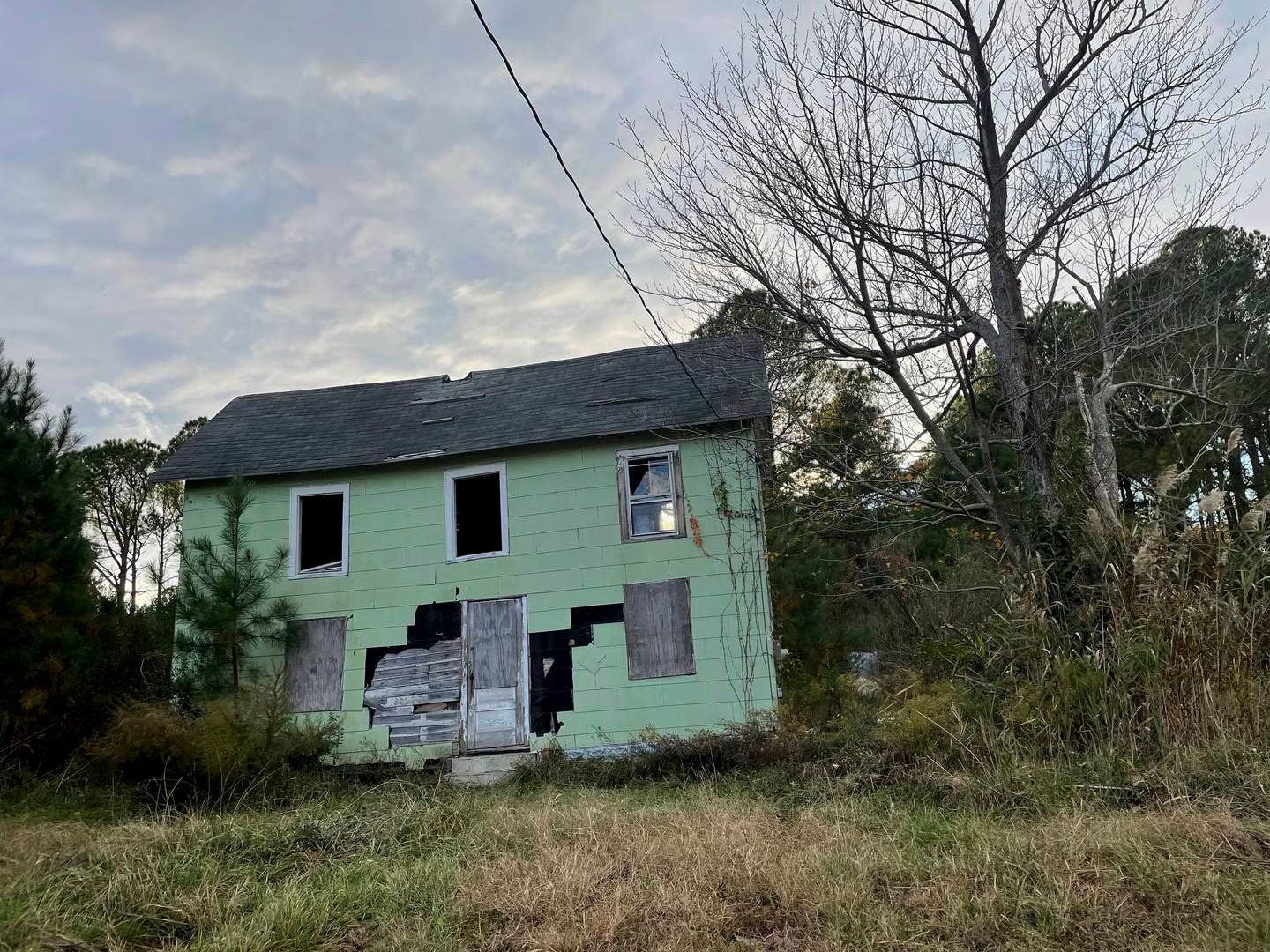
In the fancy neighborhoods ringing Tangier Sound, it’s not unusual to see houses raised above the ground. But the peninsula’s Black communities often don’t qualify for federal emergency funding to hoist homes and reinforce foundations. So, the homes deteriorate until the county puts them up for tax sale to recoup whatever’s owed on the property tax.
If that all sounds depressing, it is. And yet, my partners and I have made a film that is at times joyful and hopeful for the future of a disappearing place.
“Eroding History” tells of the resolve not to give up on a place that shaped people’s lives and holds their family histories. Many are the descendants of Arnold Wallace, an enslaved man who worked for his freedom and then bought that of his wife and children to establish a thriving community of watermen, soldiers, sailors, boatwrights, preachers, teachers and entrepreneurs.
Our film shows how both Macedonia United Methodist Church in Dames Quarter and the John Wesley United Methodist Church on Deal Island have struggled to protect their churches, cemeteries and homes. It shows the passions of Pastor Tony Johnson as he preaches at a monthly prayer service on the beach, and the wit of Boyd “Ducky” Wallace, the island’s 90-year-old “junk man,” who knows neither he nor the island will last forever.
It highlights the resolve of Dr. Chanelle White Acheamfour, a biology and ecology professor, who has watched plantations in Princess Anne receive millions of restoration dollars while her church’s cemetery struggled for small grants to stabilize the bell tower. (The money didn’t come in time; contractors removed the tower a few months ago.)
As filmmakers, we may not be from Deal Island, but we understand displacement. The director of “Eroding History,” André Chung, has photographed the Black community in Baltimore and Washington for decades. Co-writer and co-producer Sean Yoes is a proud son of West Baltimore whose previous film examined how the abandoned roadway project known as the Highway to Nowhere harmed that community. And I am the granddaughter of refugees who fled the Holocaust, losing many relatives to Hitler’s genocide.
Losing Black churches and cemeteries is not just a physical erasure, but an eroding of the shared memory. “Eroding History” preserves that shared memory on film. To do that in real life, our state and federal government need policies that prove they care about Black lands and Black lives as much as they claim they do. If they don’t, we have much more ground to lose.
Original article published in The Baltimore Banner.